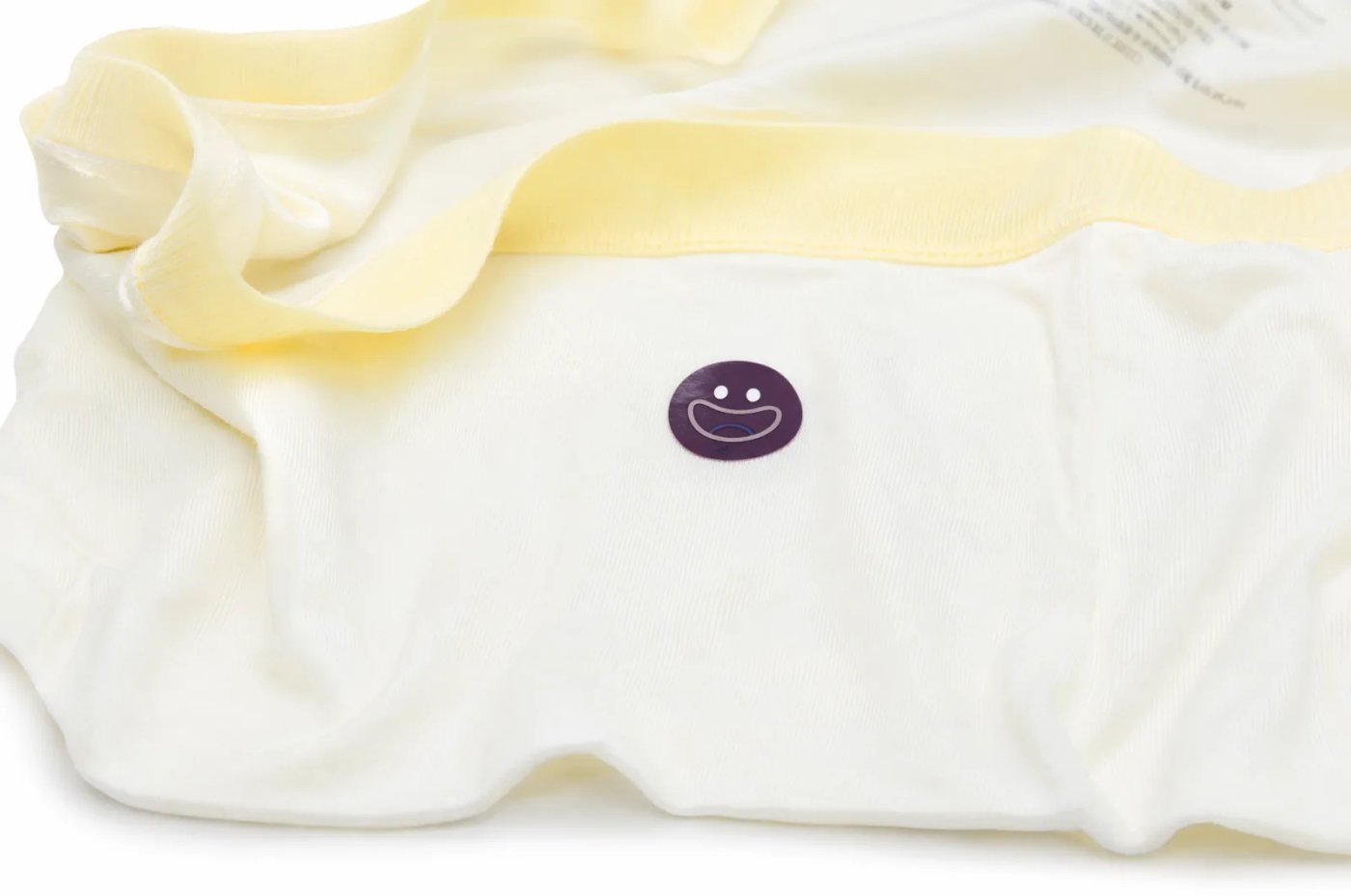
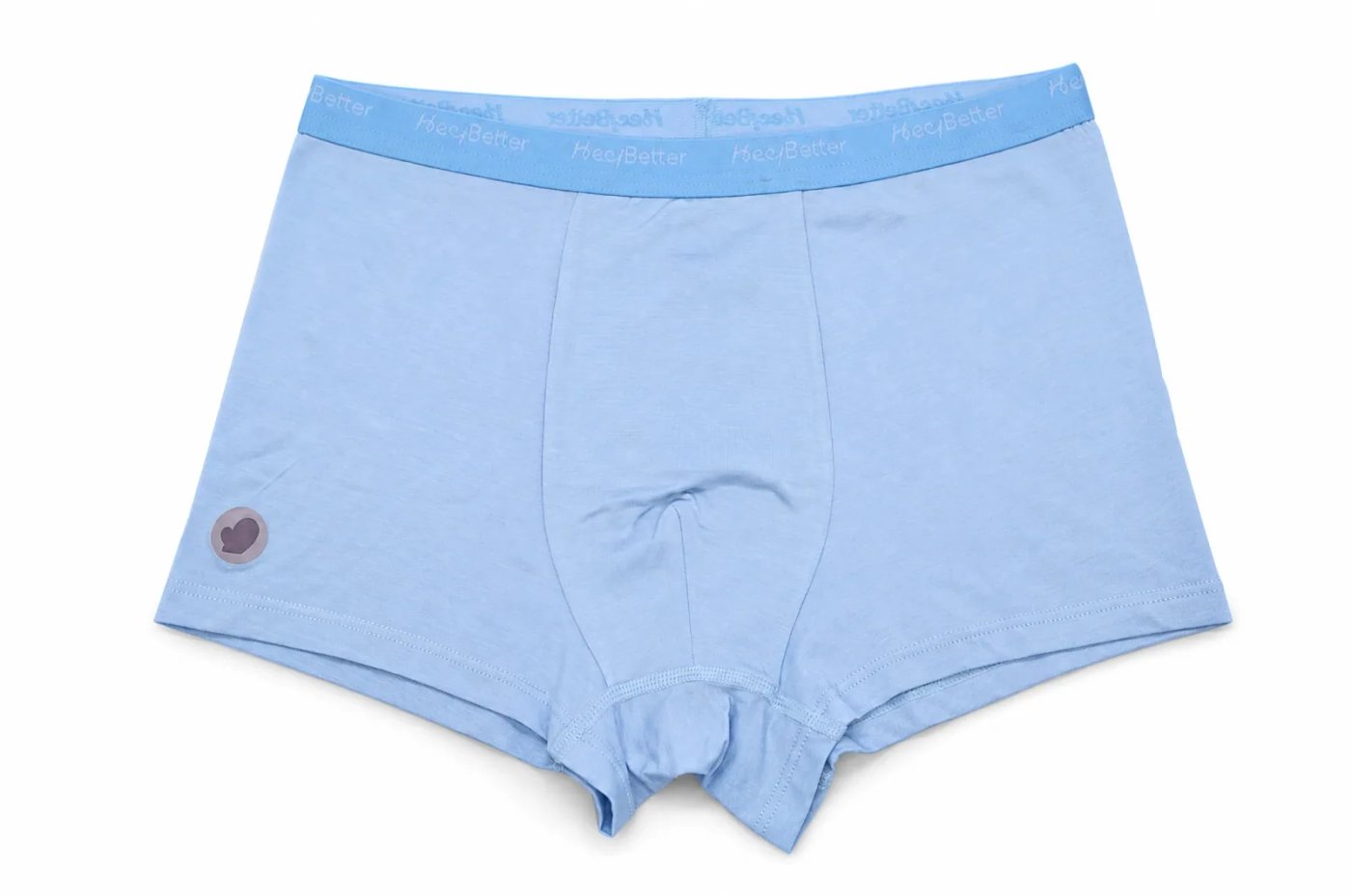
Replace everyday underwear when it no longer fits or covers as intended, or when the waistband, seams or fabric are too damaged for a practical repair. Check the pair after normal washing and drying. If it still feels comfortable, holds its shape and has sound fabric, it can stay in use.
Check fit while you move
Put on the clean pair and walk or sit as you normally would. Check whether the waistband stays where it should, the leg openings sit comfortably and the fabric provides the coverage you want. Look for a band that stays stretched, an edge that curls or stitching that feels rough against the skin. If several newer pairs fit badly too, compare the cut and size you wear now before blaming age.
A band that still holds and a small open seam in otherwise sound fabric may be a candidate for a simple repair. Widespread thinning, repeated openings beside an earlier repair or a pair that keeps shifting can justify replacement for that use. The repair or replace guide explains how to check whether surrounding fabric will support a fix.
Look at the fabric and seams after care
Turn the pair inside out and check the seams and the fabric that contacts the body. Notice thin areas, open stitching or rough spots you can feel during normal wear. A change in colour alone tells you little about fit or function. Lay a pair flat after drying and compare the two leg openings. If one has lost its shape or the lining no longer lies flat, check what that does to comfort and coverage before returning the pair to the drawer. If a pair no longer feels comfortable after suitable care, set it aside and try one that fits well.
Change into clean underwear and wash worn pairs according to their labels. The CDC’s household laundry guidance recommends using detergent and the recommended water temperature, then drying fully. A change of underwear is a care decision. Buying another pair is a condition and fit decision.
Get persistent irritation checked on its own merits
If you have recurring itching, soreness or unusual changes, do not try to diagnose them from the age or appearance of your underwear. The NHS guidance on vaginitis describes several possible causes of symptoms and explains when to seek clinical help. A clinician can help you decide what matters in your case.
If your underwear has a visual lifecycle cue, follow the maker's comparison and inspection or replacement instruction. Check the waistband, leg openings and seams any time you notice a change, but use the configured replacement point when the brand specifies one. Fit and condition still determine whether the garment can do its job.
For intimate-apparel brands
Configure a cue through customization for the product’s target wash-and-sun-dry or wash-and-tumble-dry cycles, or intended replacement interval, matched to the actual care route and use. The product instruction should state whether the cue prompts inspection or communicates replacement. See intimate-apparel applications for product examples.
Frequently asked questions
Should I throw away underwear just because the colour faded?
No. Check whether it still fits, the seams stay closed and the fabric feels comfortable and covers as intended.
Do all pairs in a multipack need replacing together?
No. Check each pair. The ones you wear and wash most often may feel different from the ones you rarely use.