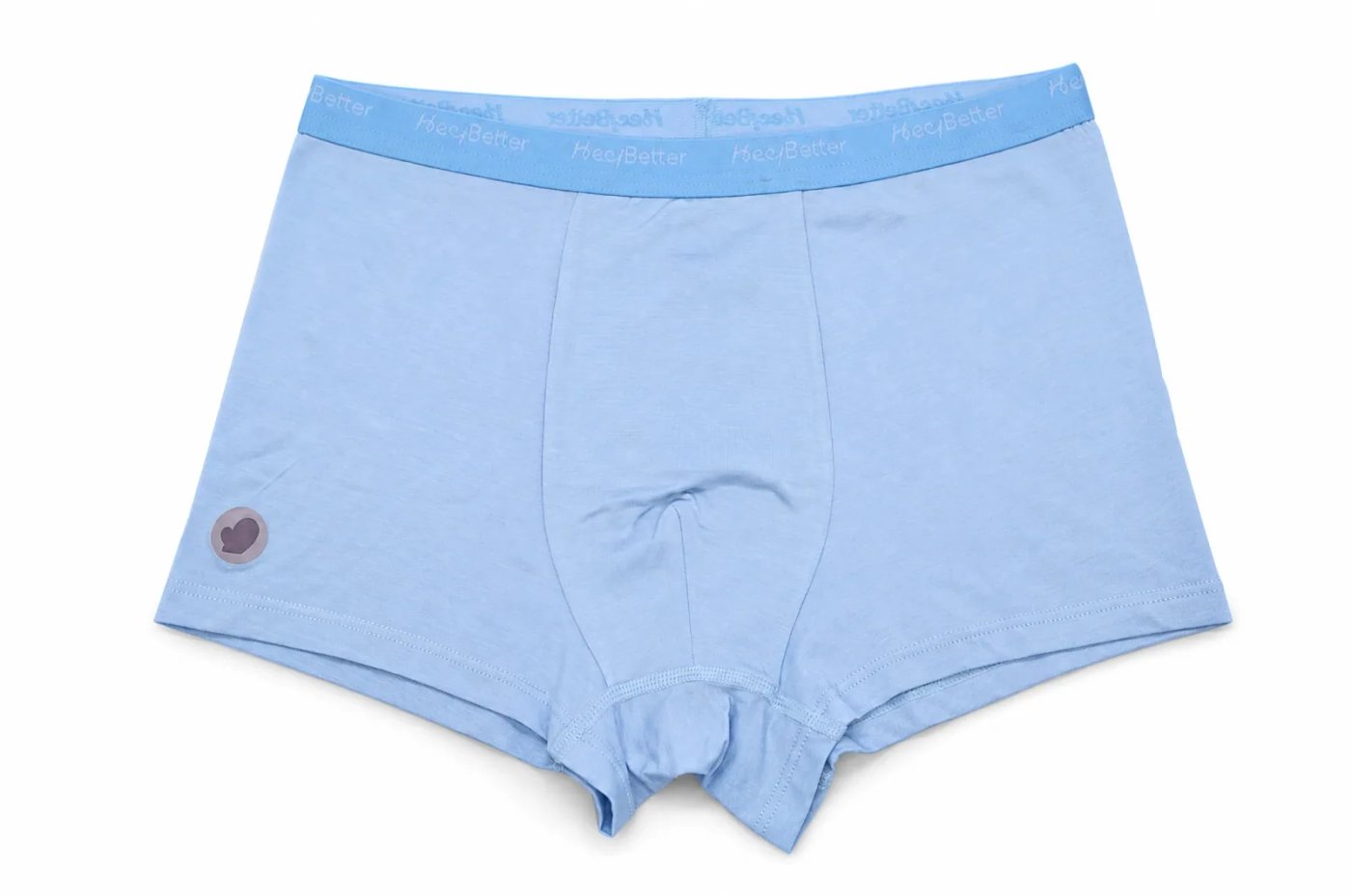
Use at least 1 fresh pair of everyday underwear a day and wash each pair after wearing it. Shorten that interval after heavy sweat, exercise, dampness or visible soil; follow the garment’s care label, dry it fully, and replace it when fit, fabric, elastic or function remains poor after correct care.
The everyday rule: one wear, one wash
Underwear and socks belong in the laundry after each wearing, as the American Cleaning Institute recommends, while fabric, activity, weather, and visible soil can affect laundry decisions. For most people, the useful routine is simple: put on a fresh pair each day, place the worn pair in the wash, and do not return it to the drawer for another wear before washing.
Change during the day when underwear becomes wet, sweaty, visibly soiled, or uncomfortable. Change after a workout or swim rather than sitting in damp fabric. A spare pair is useful for travel, long shifts, hot weather, and exercise because keeping skin and fabric dry is more comfortable than stretching one pair through the day. Public-health and clinical skin-care guidance also commonly recommends removing damp clothing promptly and choosing breathable, non-tight underwear when irritation is a concern (Melbourne Sexual Health Centre).
This is a washing-frequency rule, not a replacement deadline. A pair can be washed many times and remain usable, or look clean while its elastic, seams, or fit have already failed.
Wash according to the garment, not a universal internet recipe
The best default is to follow the sewn-in care label, use the recommended detergent and temperature, and dry the garment fully before storing it. Cotton briefs, synthetic performance underwear, lace, wool blends, period underwear, and compression garments can have different limits. Overheating, aggressive bleaching, fabric softener, abrasion from zips, and damp storage can shorten life even when the wearer follows the one-wear/one-wash rule.
For ordinary underwear, sort heavily soiled items from lightly worn loads, close hooks and fasteners, and use a mesh bag for delicate styles if the maker recommends one. A 60°C wash can remove most pathogens from underwear and similar textiles according to Germany’s federal health information portal, but that temperature is not automatically suitable for every fibre, finish, elastic, or colour. Use the care label’s maximum temperature; choose the hotter validated setting only when the garment and situation call for it (German Federal Ministry of Health household hygiene guidance).
Dry underwear completely before folding. If a garment stays damp, develops a persistent smell, or irritates the skin despite correct washing, inspect the fabric and care routine rather than adding fragrance or repeatedly increasing heat. People with recurring genital irritation should avoid perfumed detergents and fabric conditioners and seek appropriate clinical advice for symptoms that persist; underwear hygiene is not a diagnosis or treatment.
When should you buy new underwear?
Replace underwear when a functional or comfort check fails, not on a fixed calendar. Look at the garment after washing and drying:
- Fit: the waistband or leg openings stay stretched, gape, roll, or chafe.
- Construction: seams, gusset, elastic, closures, or fabric are torn, thinning, permanently misshapen, or no longer stay in place.
- Care and comfort: investigate persistent odour or discomfort after the recommended wash and complete drying. A harmless residual stain alone does not show that otherwise clean, sound underwear needs replacing.
- Use: the garment no longer gives the coverage, support, or comfort it was designed to provide.
Rotation changes the time between purchase and replacement. Five pairs worn once each week experience a different wear pattern from two pairs worn every day. Hot tumble drying, rough washing, high sweat loads, and repeated stretching can accelerate wear; gentle washing, full drying, and a larger rotation can extend it. That is why a statement such as “replace every six months” is a shopping habit, not a universal safety threshold.
The common mistake: confusing hygiene with garment lifespan
Washing and replacement answer different questions. Wash after each wear and follow the care label; inspect fit, seams, elastic and fabric when deciding whether to replace a pair. A clean-looking surface cannot tell you whether the underwear has been washed or still functions comfortably.
For products with a defined care or performance brief—such as period underwear, reusable absorbent underwear, or a technical base layer—use the maker’s wash instructions and stated performance conditions first. A manufacturer’s wash rating may be a review point for that specific product, but it is not a universal expiry date for all underwear.
How a visible replacement cue can support a brand
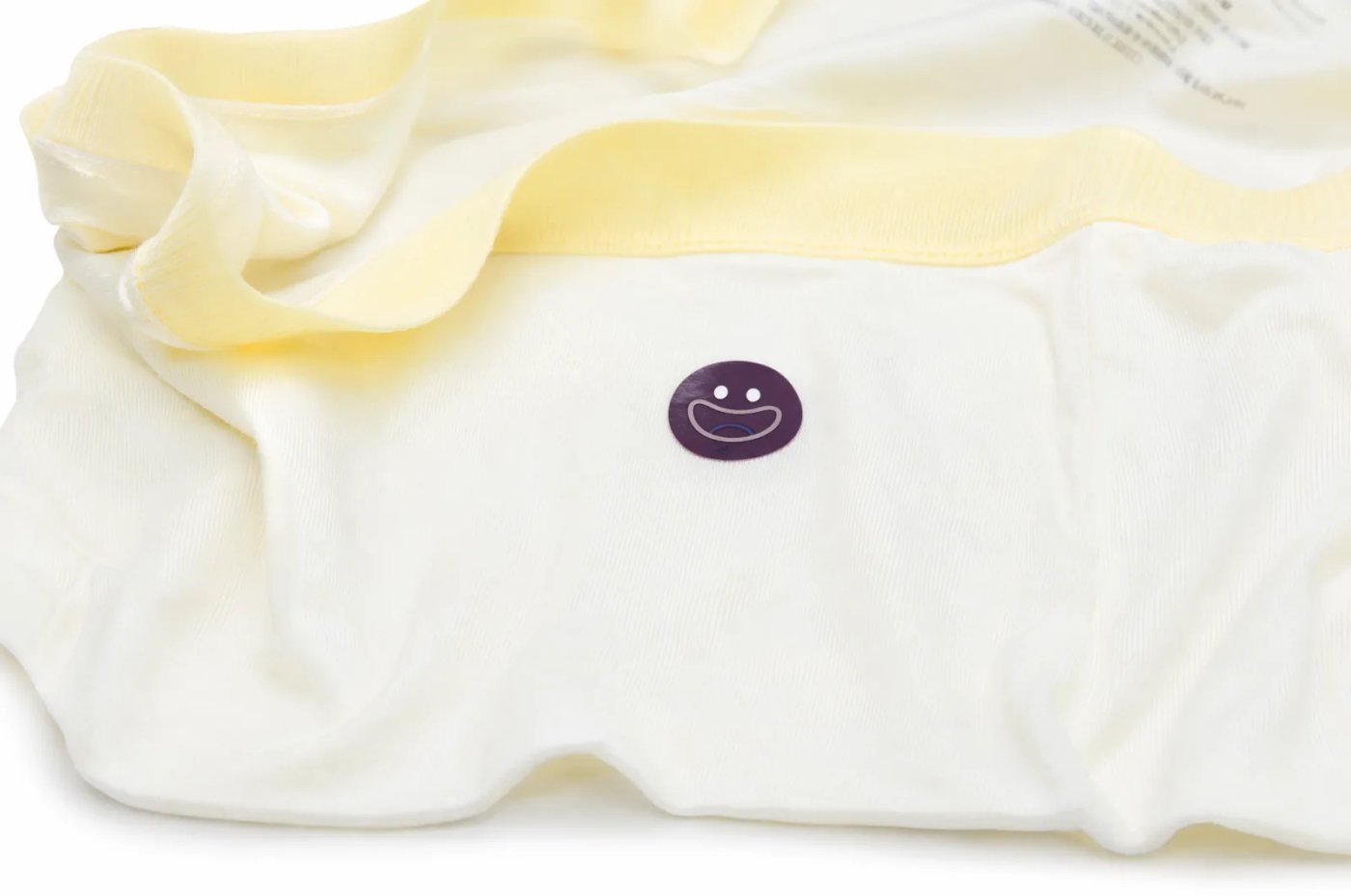
Brands can make the distinction easier by pairing care instructions with a clear condition check: wash after each wear, dry fully, and review fit, elastic, seams, and fabric before replacement. Leafclock is a physical color-changing label with a functional area read against a reference area. It can be configured around a product’s target wash-and-sun-dry or wash-and-tumble-dry cycles, or an intended replacement interval, after the brand supplies its actual care routine and use conditions. The visible cue can prompt a review or explain a product’s intended lifecycle; it is not an automatic wear counter, hygiene test, or medical signal.
For a brand developing intimate apparel, see the intimate-apparel application page and customization guidance. For the separate question of whether an existing pair should be retired, read when should you replace your underwear?.
FAQ
How often should I wash underwear?
Once after every wear. Change sooner if it becomes damp, sweaty, visibly soiled, or uncomfortable.
Can I wear underwear twice if it looks clean?
No. Put on a clean pair for the next wear and wash the used pair; appearance alone is not a reliable washing rule.
How often should I buy new underwear?
No fixed 6- or 12-month rule applies universally. Replace a pair when fit, elastic, seams, fabric, cleanability, or comfort remains unacceptable after correct care.
Does hot washing make underwear last longer?
No. Use the garment’s care-label temperature; a hotter cycle may damage elastic or fibres even though 60°C is suitable for some washable textiles.
How many pairs should I own?
Use at least 1 clean pair per day, plus spares for exercise, travel, and laundry delays. A larger rotation reduces repeated stretching and gives each pair time to dry fully.