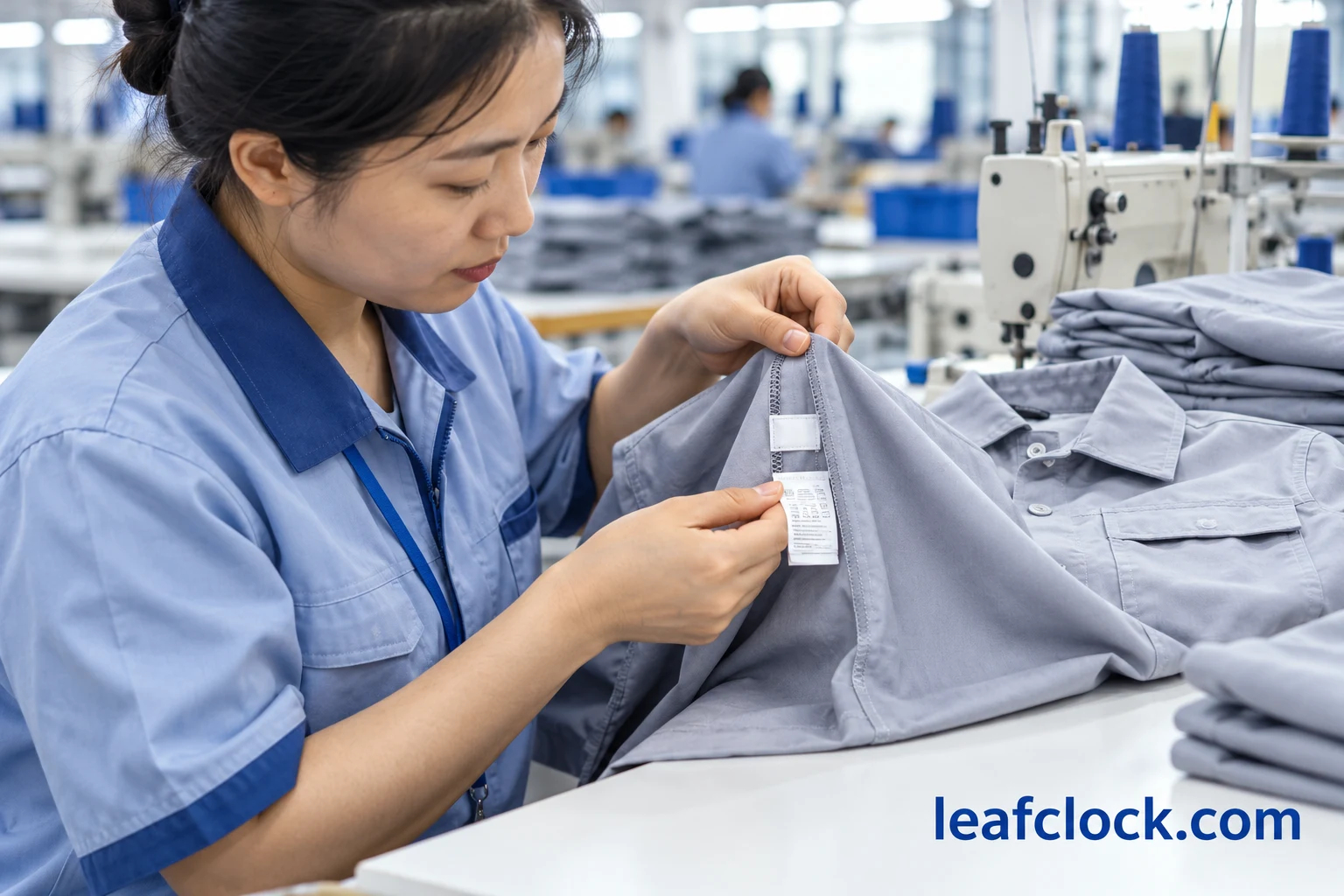
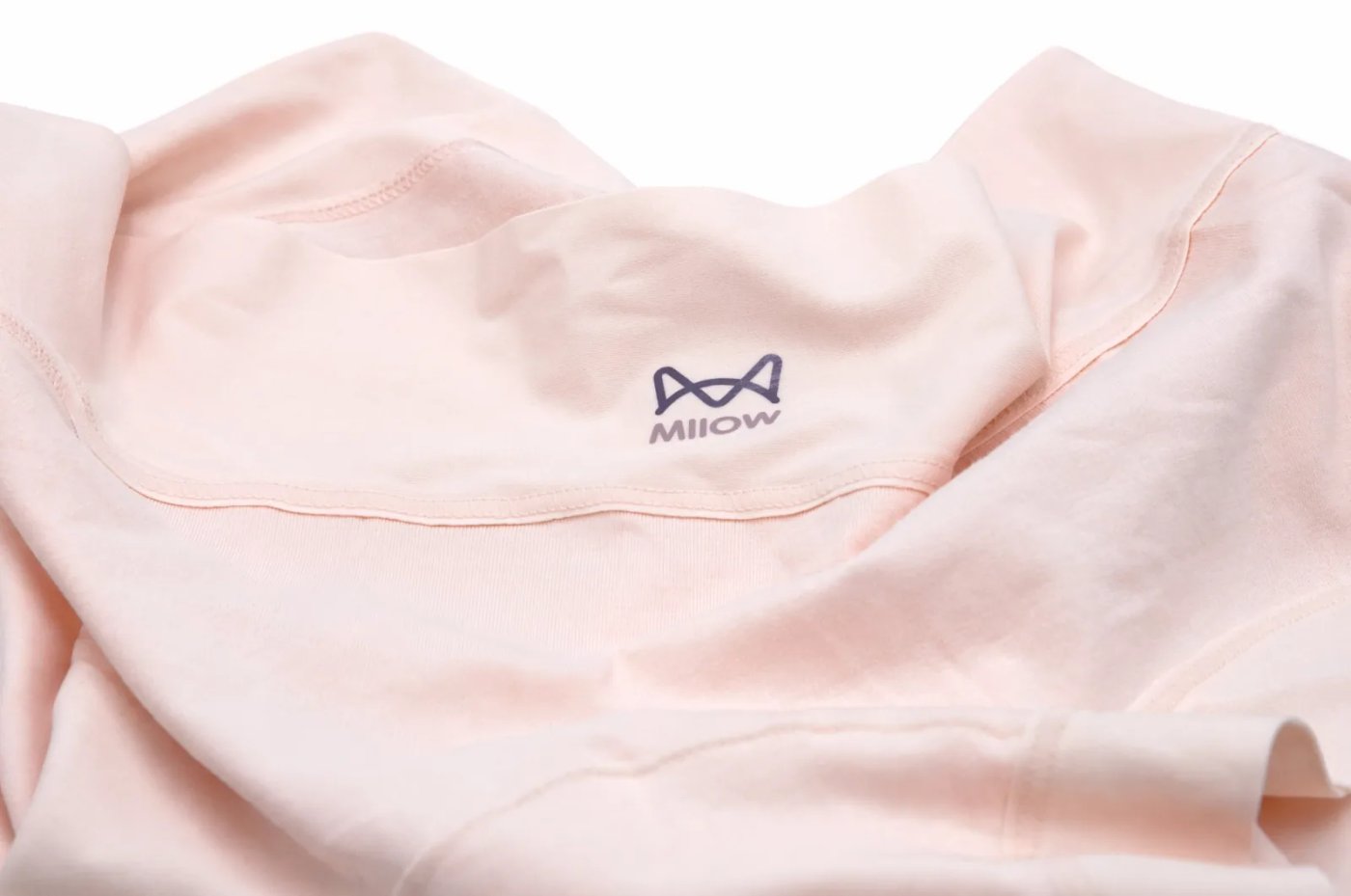
Five types of clothing labels by function are brand labels, size labels, care and content labels, hangtags and functional labels. By construction, common options include woven fabric, printed satin or cotton tape, heat transfers and molded silicone trims. Assign each message a job and a location before choosing its material. Avery Dennison apparel label formats, Avery Dennison garment trims, Polkom printed label substrates.
Types of clothing labels by function and construction
Start by deciding when someone needs to read or use each piece. A shopper may need size and brand at a glance. An owner needs to find care instructions after the hangtag has been removed. A manufacturer needs a location that can be reproduced on the production line. The matrix gives practical starting points for a sample, subject to the product and market requirements. Avery Dennison apparel labeling, Avery Dennison permanent branding.
| Function | Woven label | Printed fabric tape | Heat transfer | Molded silicone trim | Detachable hangtag |
|---|---|---|---|---|---|
| Brand identity | Sample for texture and a defined mark | Sample for a flat printed mark | Sample for a flat interior mark | Consider for a raised exterior mark | Use for retail brand presentation |
| Size | Combine with a woven mark or use a size tab | Print the size with other information if readable | Consider for an interior size mark | Use for branding if size needs a more readable location | Repeat size where it helps the shopper |
| Care and fiber content | Evaluate characters and symbol definition | Start here for longer copy and multiple languages | Consider if the copy fits and passes care testing | Reserve space on another part for the full care text | Use for temporary information where rules permit or require it |
| Retail information | May carry a lasting brand or style reference | May carry a lasting product reference | Use for concise information that should stay on the garment | Consider when an emblem is part of the product design | Start here for removable merchandising information |
| Inspection or replacement cue | Evaluate a sewn position that is easy to find | Use to explain where to find the cue | Evaluate a flat position where both areas can be read | Keep the mark separate from the reading area | Explain the cue before purchase |
Keep different jobs in the same design only where it improves the reading task. A size mark next to a brand mark can make quick sorting easier during packing. A long care statement in the same space can require a different location. Ask the sample reviewer to find each message using the garment as a wearer would. Give the factory an approved view showing orientation and position.
Start with the garment category
Underwear and other skin-contact apparel
Sample a flat heat transfer where a hanging edge is undesirable. Look at the garment worn, stretched and relaxed. Check the actual artwork size against a narrow waistband or inside panel. Ask a fit reviewer to find the size and care instructions without stretching the material beyond normal use. If space is limited, review a longer care label in another accessible position. Avery Dennison interior heat transfer options.
For a label with both a mark and instructions, test the smallest variant with the longest approved text. Review the surface after the intended laundering and drying method to check attachment and readability. If the factory changes a dye finish or the garment panel, compare a new installed sample with the previous approval before treating the same artwork as ready.
Sportswear and stretch garments
Evaluate a transfer selected for the fabric and stretch task. Avery Dennison's Agility product sheet gives an example of a transfer formulated for stretch and recovery. Use the candidate supplier's data and verify the result on your own material. Let the sample review include bending, stretching, washing and the normal dry state. Avery Dennison Agility transfer sheet.
Think about where people will see each message. A size or brand mark and a care disclosure can use different locations if the garment has narrow panels. A raised silicone trim can serve an exterior branding task if the buyer approves the feel and attachment. Ask the factory to show an installed example on the smallest garment and on the most textured panel under consideration. Avery Dennison silicone and textile trim examples.
Outerwear and workwear
Start by sampling a sewn location with enough space for the label and the information it carries. For repeat-issued garments, ask who reads size, care and any inspection instructions at each handoff. A label that is easy to find at fitting may be covered during inspection. Use a prototype to verify access and readability in both positions. If a brand wants an exterior emblem, review it against the garment design and leave required information accessible.
Run the attached label through the intended care route with the finished garment. Ask the laundry or wearer to identify the information after processing and report where they expect to find it. Compare the planned seam location, edge finish and attachment with the construction drawing. See heat-transfer versus woven indicator labels for a carrier selection checklist.
How to choose and specify an apparel label
Write a message list with an owner for each field. Product development can supply the approved brand mark and size range. The compliance reviewer can supply destination-specific care and fiber fields. The factory can suggest positions and explain how it will check the attachment. Resolve differences on one approved specimen with its matching artwork before asking for a production quote. See care and content requirements by market.
Specify how finished components will be counted and approved. For each style and colorway, record the artwork revision, dimensions, position, orientation and construction or application method. Include the reference fabric and expected care route. For a size run, give the supplier a quantity split so it can distinguish a shared design from a separate size variant. Agree who checks a new version after a material or artwork change.
Compare the available space with functional readability. A proof on a large monitor cannot tell you whether an operator can read small characters on a dark folded garment. Review the smallest signed-off sample with the intended users, then record the smallest layout they can read and the artwork and garment version used. Use those specimens in discussions with production and procurement.
Have the supplier distinguish the quantity for each artwork from the quantity for the whole program. A single logo shared across sizes can be assessed differently from a size-specific design. This matters when the first purchase order covers a range of sizes, care languages or materials. Quote and approve each variant deliberately, then document which approved labels can be reused across styles.
What a functional label adds
Use a functional label when the installed component has a task beyond carrying fixed information. A Leafclock visual replacement indicator has a changing area and a reference area. The reader compares them to see the configured cue. A brand can explain the cue in its care instructions or packaging and give the owner a clear next action on the product.
Define which task you want the cue to prompt and what care route it should reflect. We can configure the target around intended wash-and-sun-dry or wash-and-tumble-dry cycles or a replacement interval, using the product's conditions. The carrier can be heat transfer or sewn and the artwork can be customized within the configuration. Bring the product, care procedure and target cue stage to the sample discussion. Explore functional care labels.
Keep the response task specific in your sample review. Show a reader the label as it will be normally oriented and ask what they would do when the cue changes. Check whether care instructions and the cue can be found together. Keep the instruction tied to your product and care route.
For brands / For manufacturers
For brands
Confirm the minimum order for your proposed design and carrier before finalizing the launch assortment. Give purchasing the design count, artwork variants and volume per design so it can discuss a comparable order with the supplier. If the job calls for a visible cue, include the intended care routine and what you want customers to do after reading it.
For manufacturers
Provide a sample attachment or a drawing that shows label position relative to seams and folds. Write down how quality staff should assess appearance and readability when the garment is relaxed, stretched if appropriate and after care. Ask the reviewer to approve the real garment size range before the full order is released.
FAQ
Are woven and printed labels used for the same jobs?
Yes, either can carry branding or selected information if the finished piece meets the reading and attachment requirements. Compare actual samples at the required size. A detailed logo and a long care statement may need different carrier, layout and placement decisions. Avery Dennison care and content examples.
Can one apparel label include brand, size and care?
Yes, if the information fits at a readable size and each required field meets the rules for the destination and product. Give the reviewer the label installed on the garment and show every side of the approved artwork. FTC care and textile business guidance, EU textile regulation.
When should we ask for samples of both sewn and heat-transfer labels?
Request both when fabric, placement or the care route could change the decision. Give suppliers the same garment construction and user task, then compare attachment, feel and legibility after care. Leafclock can discuss a sample based on your product and target cue.
Request samples with your product, proposed label position and intended care routine.