To wash linen clothes, make 2 separate choices: the washing method and the drying method permitted for the garment. For washable everyday pieces, use mild detergent, a gentle wash and room for the fabric to move. Take clothes out promptly, smooth them into shape and air dry; use a dryer only when permitted.
How to wash linen clothes: choose the route
Choose care for the complete garment, including its lining, trims and other fibres, before treating it as plain linen.
| What the garment allows | Washing route | Drying route |
|---|---|---|
| Machine washable | Gentle cycle at the permitted temperature; leave room in the drum | Follow the separate drying instruction |
| Hand wash | A basin wash with gentle movement and thorough rinsing | Support the wet garment and reshape for the permitted drying method |
| Professional cleaning only | Take it to a cleaner with the care instructions | Let the cleaner handle the complete process |
| Instructions missing or illegible | Ask the maker about that exact garment; use a specialist for a valuable or structured piece | Establish this before wetting the whole item |
A linen-viscose dress, lined blazer and unstructured linen shirt may need different treatment. A hand-wash setting on a machine also needs to be compatible with the garment's instructions. Woolite's linen guide explains why blends change the care decision.
Quick answer
- Separate colors and keep rough, heavy laundry out of the linen load.
- Use a measured dose of suitable detergent, then remove clothes as soon as the cycle finishes.
- Smooth seams while damp; finish drying completely before putting clothes away.
Prepare the clothes and deal with stains
Sort and inspect clothes before washing so that a stained cuff or loose fastening gets attention before the whole load is wet.
Empty pockets, separate white, light and dark garments, and turn colored pieces inside out. Keep linen away from rough denim, exposed hooks and heavy items that crowd the drum. Check loose buttons and threads before handling the garment. LinenMe's preparation advice includes sorting, inside-out washing and avoiding abrasive laundry.
Blot a fresh spill with a clean absorbent cloth. For a remaining mark, select a treatment approved for the garment's material and color, test an inconspicuous area and follow the product's contact-time instructions. Work on the stain gently rather than scrubbing the same patch harder. ASKET's stain advice recommends prompt, linen-compatible treatment and warns about bleach damage and color loss.
Check the mark again after washing, before ironing or using a permitted dryer. If it remains, repeat an appropriate treatment or ask a cleaner rather than adding heat. Keep homemade bleach mixtures out of the routine. LinenMe explains the stain and heat precautions.
Choose detergent and temperature
Use a mild detergent suitable for the garment's full fibre composition, and measure it for the load or basin you are actually washing.
Check the product's dose for water hardness, load size and washing method. Pour machine detergent into the dispenser directed by the appliance instructions. For hand washing, disperse a hand-wash-compatible product in the water first. A larger dose is not a shortcut to cleaner linen; if residue remains, rinse as the wash product directs.
For temperature, use the garment's permitted setting. As a brand-specific example, The White Company describes 40°C for much of its linen and 30°C for finer pieces, subject to the label. ASKET recommends 30°C for its linen-care routine. These examples explain why a single hot-wash rule is a poor choice for a mixed wardrobe.
Fabric conditioner is optional. The White Company allows it if desired, while other guides omit it. Start with detergent alone; if you choose conditioner, check compatibility and measure the specified dose. Wrinkle management still starts with an uncrowded wash and prompt removal.
Machine washing: keep the load gentle and uncrowded
For machine-washable linen, choose a gentle program that fits both the care label and the washer's instructions.
- Load the sorted clothes loosely. Split a packed load so pieces can move and rinse instead of emerging as a tightly twisted bundle.
- Add the measured mild detergent. Use a laundry bag for a delicate washable piece if its maker recommends one.
- Set the permitted temperature and gentle cycle. Follow any garment-specific spin limit and keep that limit when planning drying time.
- Remove the clothes promptly when the program ends. Unfold sleeves, separate layers and check stains before moving to drying.
Woolite recommends gentle washing and garment-specific temperature; Boden emphasizes an uncrowded machine and immediate removal to reduce set-in wrinkles.
Hand washing: use water movement, not scrubbing
Hand wash a suitable garment by moving it gently through detergent solution, then rinse and press out the water.
- Fill a clean basin with cool or lukewarm water within the garment's instructions, and mix in the appropriate hand-wash dose.
- Immerse the garment and gently move water through it. Give collars and cuffs careful attention without grinding the cloth against itself.
- Drain and rinse in clean water until the rinse-required detergent is removed. Follow any special rinsing directions on the product.
- Lift with the garment's weight supported. Press water out gently between clean towels, then move it to its drying surface.
Keep twisting and wringing out of this step. LinenMe's hand-wash method uses gentle movement, full support and towel pressure. For a fragile inherited piece or unstable dye, a specialist assessment is preferable to assuming that a basin makes washing safe.
Air dry by default; tumble dry only with permission
Air dry washable linen in its normal shape, and reserve tumble drying for garments whose instructions explicitly allow it.
Spread the damp garment on a clean towel or suitable drying surface, or hang it if its construction and instructions permit. Smooth the collar, placket, seams and hem gently into place. Support vulnerable fabric, keep it away from direct heat and strong sunlight, and leave space for air to circulate. Use a broad, smooth hanger for a suitable woven shirt; a wire hanger can leave marks. The White Company's drying guidance covers flat drying and careful hanger choice.
Dryer advice differs even between clothing brands. The White Company says to avoid tumble drying; Boden offers low-temperature tumble drying until just damp, followed by air drying. LinenMe's US guide also permits low heat, but that page describes its homewares. A sheet's drying instructions cannot decide the care of a lined linen dress.
If your garment permits the dryer, use its specified low or gentle setting, remove it while slightly damp when instructed, smooth it and finish drying in air. Check seams, pockets and waistbands before folding it away. For seasonal packing, continue with the long-term clothes storage checklist.
Wrinkles, shrinkage or damage: check which problem you have
Ordinary creases call for smoothing or optional pressing; altered fit, holes and failed seams call for a separate condition check.
| What you notice | Useful next step |
|---|---|
| Soft creases across otherwise sound fabric | Wear the relaxed finish, or smooth with permitted ironing or steam |
| A sharply creased placket or hem | Arrange it while damp and press only as the care label permits |
| The dry garment fits differently | Compare its fit and dimensions; ask the maker or a cleaner about options before pulling it harder |
| Holes, thinning areas or a split seam | Assess repair and the garment's intended use and plan any repair separately from pressing |
Linen naturally creases readily. ASKET explains this through the fibre's low elasticity and also distinguishes its own pre-washed shirt from linen garments generally. “Pre-washed” on a different product is not a promise that any wash or drying method will preserve its size.
For a changed shape, gently arrange a damp washable garment without stretching seams or pulling sleeves longer. Stop if the cloth resists. Repeated stretching, a conditioner soak or another hot wash cannot promise restoration of the original fit. Use the clothing lifespan checklist to decide whether continued wear, repair or another use makes sense.
Iron or steam only as much as you want
For a smoother finish, work while the garment is slightly damp at the ironing setting its label permits.
Lay it on a padded ironing board, press from the reverse where appropriate and keep the iron moving rather than repeatedly working one sharp fold. The White Company recommends inside-out, slightly damp ironing. Ariel likewise suggests dampening linen or ironing it before it has fully dried.
If steam is permitted, follow the appliance's instructions and keep your hands clear of the steam path. Steam the garment off the body, never while wearing it. Let the fabric dry before storing it. A relaxed linen shirt can keep its natural creases; pressing every ripple flat is a styling choice.
Frequently asked questions
Can I wash linen with cotton clothes?
Yes, if both garments allow the same washing method and temperature, their colors are compatible and the load stays gentle. Keep rough denim, heavy towels and exposed fastenings separate. A cotton-linen blend still needs its own garment instructions; the cotton content alone cannot determine its care.
Should I wash linen after every wear?
No. Decide from soil, sweat, odor and the garment's care instructions. Inspect underarms, collars and cuffs after wearing it, and deal with spills promptly. Air a clean garment between wears if suitable, then clean and dry it fully before seasonal storage without assigning a fixed wear count. ASKET’s general garment-care advice supports airing suitable garments between washes.
Can hand washing replace dry cleaning for a lined linen blazer?
No, when the blazer specifies professional cleaning only. Water affects the complete garment, including lining, shaping and trims. Show the instructions to the cleaner and ask about the appropriate process. For a different washing route, obtain advice from the maker for that exact blazer first.
For apparel brands: connect care advice with a visible reminder
Give customers the complete wash-and-dry routine alongside any on-garment replacement cue.
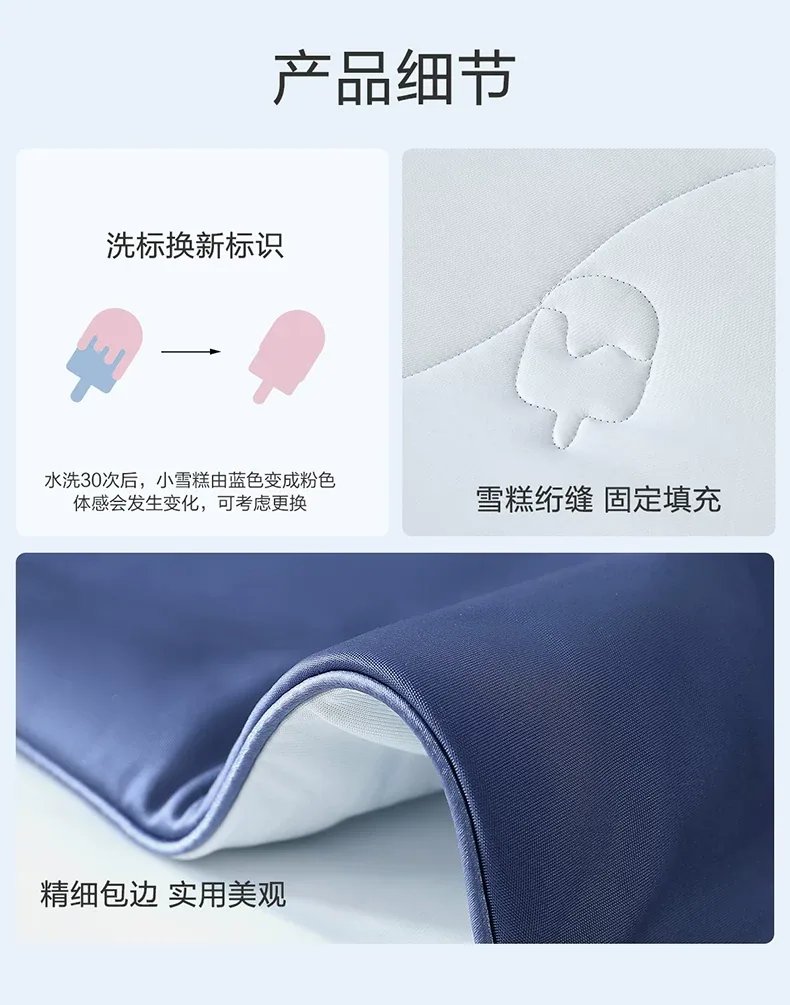
With the Leafclock® Visible Lifecycle Intelligence System, the wearer compares a changing functional area with a reference area. We customize target wash-and-sun-dry or wash-and-tumble-dry cycles, or an intended replacement interval, around the product's care, use frequency and environmental conditions. The cue communicates a configured use stage; check actual fit, shrinkage and fabric condition separately.
Consumers can see how the indicator is read. Brand teams can share their garment, care routine and target interval through Leafclock customization to discuss a suitable sample configuration.