Test the garment where you normally use it
Use 3 steps without an app: test fit and function in normal use, follow the care or repair route for a local problem, then replace the garment when the same problem persists and the intended function cannot be restored. Keep the garment when it still works, and choose a less demanding use only when it remains suitable for that use.
Start with fit, then test the troublesome part
Put the item on the way you usually wear it. Sit, bend or move as needed. Trousers that have always slipped may be the wrong size for you. If they used to fit and the band now stays stretched, check whether the elastic is accessible for replacement. An alteration may help if the rest of the fabric is sound.
Open and close a zip or other fastening. Check the stitching and fabric around the fault. A loose hem with sound fabric is a candidate for repair. If fabric pulls apart next to several seams, patching one opening may do little. Try a repair where it will restore the intended use and the surrounding material can hold it.
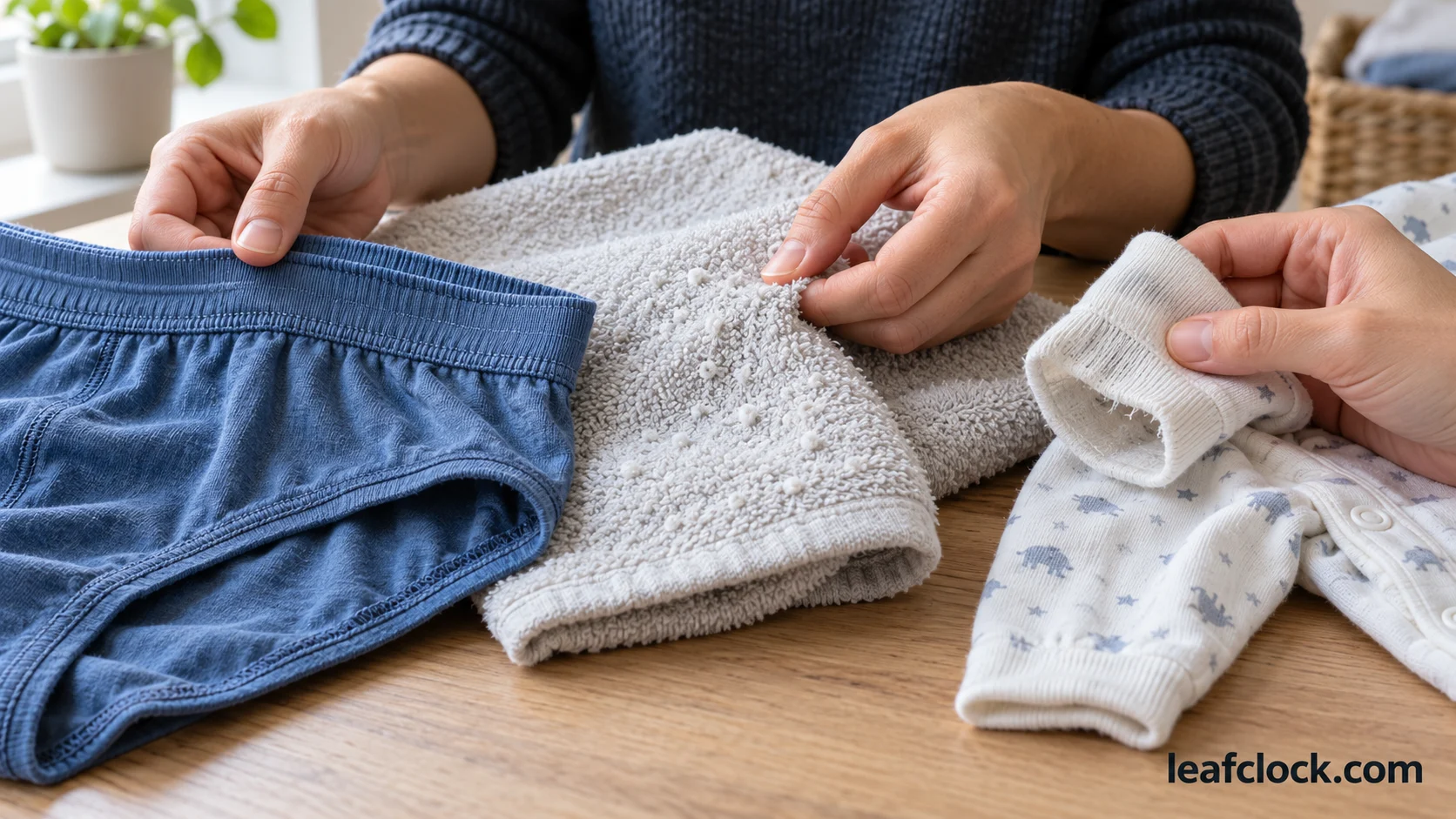
Recheck after correcting the care
If a top comes out looking misshapen, read its care instructions and follow the recommended drying method next time. Once it is dry, check the fit again. Some changes need a different routine, while a repeated fault may call for repair or a different garment. The United Nations Environment Programme’s textile roadmap includes care, maintenance and repair among ways to extend useful service. UNEP textile roadmap.

| What you notice | What to try |
|---|---|
| A shirt looks faded but fits and feels fine | Keep it in rotation if you still like wearing it. |
| A cuff or hem has one loose seam | Mend it or take it to an alterations shop while the surrounding fabric is sound. |
| A jacket zip keeps opening | Check whether the slider or entire zip needs replacing. Compare the cost of repair with your actual need for the jacket. |
| A pair of trousers no longer fits | Try an alteration if there is enough fabric. If the trousers are usable for someone else, consider passing them on. |
Pick a next use before buying another item
Take an item out of rotation if it no longer works for you. If it is clean, sound and suitable for another wearer, check what your local reuse service accepts. If it is damaged, ask what your local textile collection route takes before sending it there.
When the same garment type keeps failing in the same way, note the part and the care routine. That information can guide the next purchase. The short wear and care tally can help you check whether a change happens during use or after care.
Putting an item away for later? Follow the long-term clothing storage guide to choose suitable packing and plan a condition check before bringing it back into use.
For apparel brands
If you design apparel, the garment lifespan guide explains how construction can make everyday repairs practical.
Use a small record for a recurring problem
If the same garment keeps presenting a problem, note the use, the care action and the result on paper. The record can clarify whether a fit adjustment, care change or repair helped. Stop logging once the decision is clear.
See Leafclock textile label options for the product context.
Frequently asked questions
Do faded clothes need replacing?
No. Keep wearing them if the change is cosmetic and the garment still fits and serves its purpose.
What if a repair fails again?
Look at the surrounding fabric and whether the same fault returned. A different repair may work for an isolated issue. Replace the item in your rotation if a practical fix cannot restore its function.